

Semen Analysis Test
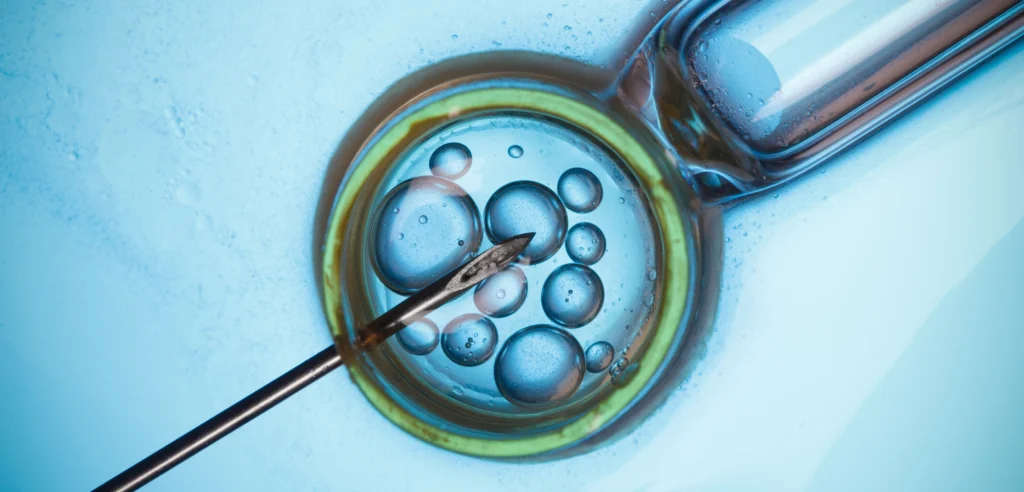
What is a Semen Analysis Test?
A semen analysis test, also known as a sperm count test, is a laboratory examination used to evaluate male fertility. During the test, a semen sample is analyzed under a microscope to assess the health, quality, and viability of sperm.
The test measures several important parameters, including sperm count, concentration, motility (movement), morphology (shape), and other characteristics that can affect a man’s ability to conceive naturally.
Why Would I Need a Semen Analysis Test?
If you and your partner are experiencing difficulty conceiving, a semen analysis is often one of the first tests recommended by a fertility specialist. Male infertility contributes to a significant proportion of infertility cases, and semen analysis helps identify potential issues related to sperm production and function.
The results of the test can help your doctor determine the underlying cause of infertility and recommend the most appropriate treatment options.
Semen Analysis Test Preparation
Proper preparation is essential to ensure accurate test results. Your doctor may provide specific instructions, including:
- Avoid ejaculation for 2 to 7 days before the test.
- Do not consume alcohol, recreational drugs, or excessive caffeine for several days before testing.
- Avoid smoking if possible.
- Inform your doctor about any medications, vitamins, supplements, or over-the-counter drugs you are taking.
- Do not stop prescribed medications without consulting your doctor.
- Inform your doctor if you have recently been ill or experienced a high fever.
- Avoid prolonged exposure to high temperatures, such as hot tubs, saunas, or heated car seats, for several weeks before testing when possible.
Understanding a Semen Analysis Report
A semen analysis report evaluates several factors that influence fertility. The values may vary slightly between laboratories, and interpretation should always be done by a fertility specialist.
| Parameter | What It Measures | Typical Reference Range | Possible Causes of Abnormal Results |
|---|---|---|---|
| Semen Volume | Amount of semen ejaculated | Approximately 1.5–5 mL | Hormonal issues, stress, blockages, dehydration |
| Total Sperm Count | Total number of sperm in the sample | At least 39 million per ejaculate | Hormonal imbalance, smoking, obesity, infections, toxin exposure |
| Sperm Concentration | Number of sperm per milliliter of semen | 15 million/mL or higher | Low sperm production or reproductive disorders |
| Motility | Percentage of moving sperm | 40% or higher | Smoking, illness, lifestyle factors, medications |
| Vitality | Percentage of live sperm | 58% or higher | Infections, poor sperm health, heat exposure |
| Morphology | Shape and structure of sperm | 4% or more normal forms | Genetic factors, illness, lifestyle habits |
| Liquefaction | Time taken for semen to liquefy | Within 20–30 minutes | Prostate or seminal vesicle disorders |
| pH Level | Acidity or alkalinity of semen | 7.2–8.0 | Infections, blockages, gland dysfunction |
| White Blood Cells (WBC) | Presence of infection-fighting cells | Less than 1 million/mL | Infection or inflammation of the reproductive tract |
What Happens During a Semen Analysis Test?
A semen sample is collected in a sterile container and analyzed in a laboratory. To ensure accurate results, the sample should be collected carefully and delivered promptly for testing.
- Wash your hands before sample collection.
- Avoid using lubricants or saliva, as they may affect sperm quality.
- Collect the entire semen sample.
- Inform the laboratory if any portion of the sample is missed.
- Avoid testing when you are ill, as illness can temporarily affect sperm quality.
Because sperm counts can fluctuate naturally, your doctor may recommend providing two or more samples over several weeks to obtain the most accurate assessment.
Conclusion
A semen analysis is one of the most important tests used to evaluate male fertility. It provides valuable information about sperm count, motility, morphology, and overall sperm health. The results help fertility specialists identify potential fertility issues and recommend the most appropriate treatment options.
Since semen analysis results can be complex, it is always advisable to discuss your report with a fertility specialist who can explain the findings and guide you through the next steps in your fertility journey.