

Intra Uterine Insemination
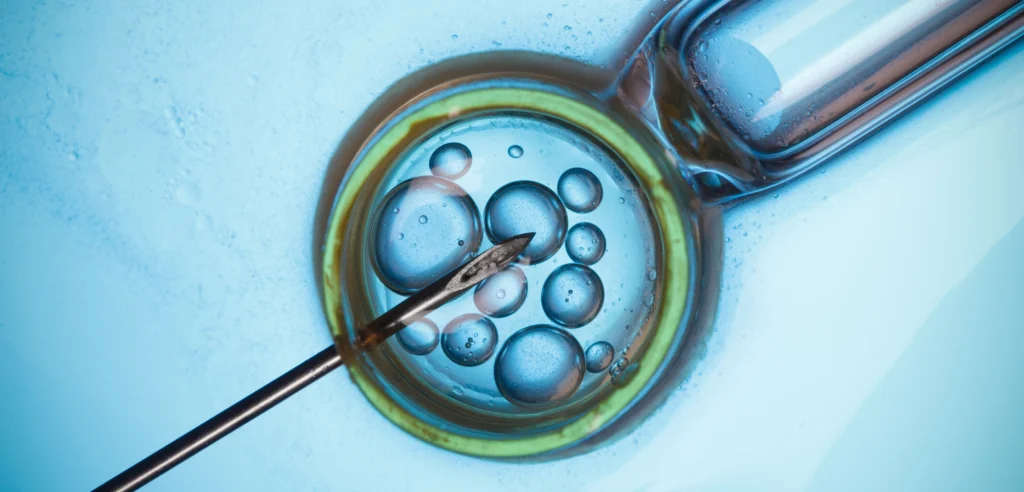
Intrauterine Insemination (IUI) Treatment
Intrauterine Insemination (IUI) is a commonly performed fertility treatment that helps improve the chances of pregnancy by placing specially prepared sperm directly into the uterus during the most fertile period of a woman’s menstrual cycle.
The IUI full form is Intrauterine Insemination. It is considered one of the simplest and least invasive forms of assisted reproductive treatment and is often recommended as an initial fertility treatment for suitable couples.
During an IUI procedure, a semen sample is collected and processed in a laboratory to separate healthy, motile sperm from the seminal fluid and other cells. The selected sperm are then introduced directly into the uterus using a thin, flexible catheter.
By placing the sperm closer to the egg, IUI reduces the distance sperm must travel and increases the likelihood of fertilization. The procedure is typically quick, minimally invasive, and usually does not require anesthesia.
What is IUI Treatment?
IUI treatment is a fertility procedure in which prepared sperm is placed directly into the uterus to improve the chances of fertilization. The term IUI stands for Intrauterine Insemination, a procedure designed to bring healthy sperm closer to the egg during ovulation.
During an intrauterine insemination procedure, a semen sample is collected and processed in a laboratory through a technique known as sperm washing. This process helps separate healthy, motile sperm from the seminal fluid and other components.
The prepared sperm are then introduced directly into the uterus using a thin, flexible catheter. By placing the sperm closer to the egg, the procedure increases the likelihood of fertilization by improving sperm concentration and motility while bypassing the cervix.
As an IUI fertility treatment, it is considered less invasive than more advanced assisted reproductive techniques. Although IUI is a medically assisted procedure, fertilization still occurs naturally within the body, usually in the fallopian tube.
IUI is commonly recommended as an initial fertility treatment before considering more complex fertility procedures.
Why Is IUI Treatment Recommended?
IUI treatment is recommended when certain medical or reproductive factors reduce the chances of natural conception but do not necessarily require more advanced assisted reproductive procedures.
It is commonly advised in cases of mild male factor infertility, where sperm count or motility may be below normal levels but remains sufficient for fertilization with medical assistance.
IUI may also be recommended for women with ovulation-related issues, including irregular ovulation or conditions such as polycystic ovary syndrome (PCOS), where ovulation can be monitored or medically induced to improve the timing of conception.
In cases of unexplained infertility, where routine fertility investigations do not identify a specific cause, IUI may be used to optimize sperm placement and timing during the fertile window.
The procedure may also be beneficial when cervical factors interfere with the movement of sperm through the reproductive tract or when donor sperm is being used for conception.
Since fertilization continues to occur naturally within the female reproductive system, IUI is often considered before proceeding to more invasive fertility treatments.
The suitability and success of the IUI procedure depend on several factors, including overall reproductive health, fertility status, ovulation patterns, sperm quality, and the patency of the fallopian tubes.
IUI Treatment Process and Eligibility
Why Is IUI Treatment Recommended?
IUI (Intrauterine Insemination) treatment is recommended when certain fertility factors reduce the chances of natural conception but do not necessarily require more advanced fertility treatments. It is commonly advised in cases of mild male factor infertility, where sperm count or motility may be lower than normal but still sufficient for fertilization with medical assistance.
IUI may also be recommended for women with ovulation disorders, irregular menstrual cycles, unexplained infertility, cervical mucus abnormalities, or when donor sperm is being used. Since fertilization continues to occur naturally within the reproductive system, IUI is often considered before moving on to more complex fertility treatments.
Who is an Ideal Candidate for IUI Treatment?
IUI treatment may be suitable for individuals and couples experiencing fertility challenges where the reproductive system is otherwise healthy enough to support natural fertilization after sperm is placed inside the uterus.
- Mild male factor infertility
- Ovulation disorders or irregular ovulation
- Polycystic Ovary Syndrome (PCOS)
- Unexplained infertility
- Cervical mucus problems
- Couples using donor sperm
- Difficulty with timed intercourse
Preparing for IUI Treatment
Before starting IUI treatment, a fertility specialist will perform a comprehensive fertility assessment. This may include blood tests to evaluate hormone levels, ultrasound scans to assess ovarian function, semen analysis to examine sperm quality, and investigations to confirm that the fallopian tubes are open and healthy.
Depending on the individual’s fertility needs, medications may be prescribed to stimulate ovulation and improve the chances of conception. The treatment plan is personalized based on the results of these evaluations.
Timing and Ovulation in IUI Treatment
Accurate timing is one of the most important factors in IUI treatment. Fertility specialists monitor follicular growth through ultrasound scans and, in some cases, blood tests to determine the most fertile period of the menstrual cycle.
Ovulation may occur naturally or be induced using fertility medications and trigger injections. The IUI procedure is then scheduled around the time of ovulation to maximize the likelihood of fertilization.
How Does the IUI Treatment Process Work?
On the day of the procedure, a semen sample is collected and processed in a laboratory through a technique called sperm washing. This process separates healthy, motile sperm from the seminal fluid and other unwanted components, improving the quality of the sample used for insemination.
The prepared sperm are then placed directly into the uterus using a thin catheter. By bringing the sperm closer to the egg, IUI helps improve the chances of fertilization while reducing the distance the sperm must travel through the reproductive tract.
What Happens During an IUI?
During the procedure, the patient lies comfortably on an examination table. A thin, flexible catheter containing the prepared sperm sample is gently inserted through the cervix and into the uterus.
The sperm is slowly released into the uterine cavity, after which the catheter is removed. The procedure is usually completed within a few minutes and is generally well tolerated by most women.
After insemination, the sperm continue their natural journey toward the fallopian tubes, where fertilization may occur if a sperm successfully meets and fertilizes the egg. Most patients can return to their normal daily activities shortly after the procedure.