

PESA & TESA Test and Procedure
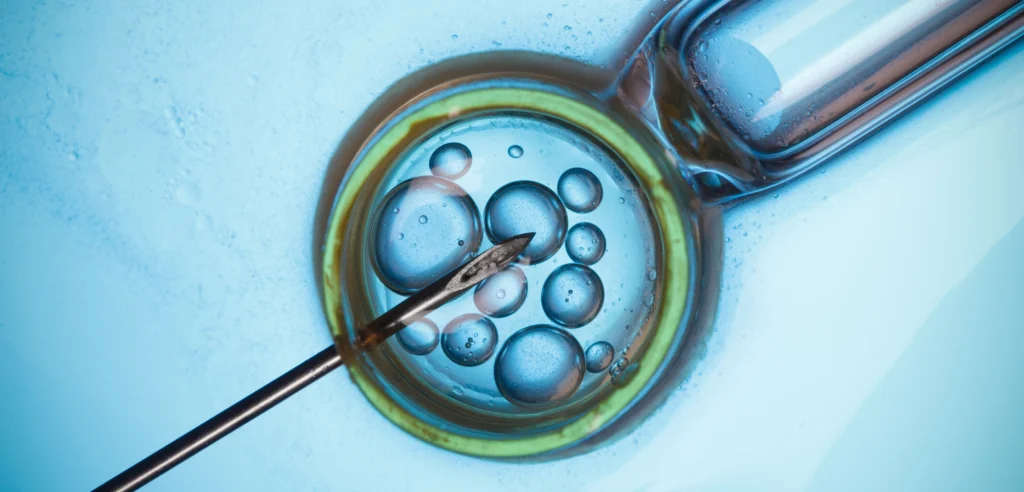
What is TESA/PESA?
TESA and PESA are specialized sperm retrieval procedures commonly used in assisted reproductive treatments when sperm are not present in the ejaculate or cannot be collected through conventional methods. These techniques help fertility specialists retrieve sperm directly from the male reproductive system for use in procedures such as IVF and ICSI.
TESA (Testicular Sperm Aspiration)
Testicular Sperm Aspiration (TESA) is a minimally invasive procedure in which sperm are retrieved directly from the testicles using a fine needle attached to a syringe. The needle is carefully inserted through the skin of the scrotum into the testicular tissue, and a small sample is collected for examination and sperm retrieval.
TESA is typically recommended for men with severe male infertility, particularly when sperm cannot be found in the epididymis or are absent from the ejaculate. The retrieved sperm can then be used in assisted reproductive techniques such as Intracytoplasmic Sperm Injection (ICSI).
PESA (Percutaneous Epididymal Sperm Aspiration)
Percutaneous Epididymal Sperm Aspiration (PESA) is a less invasive sperm retrieval procedure that involves inserting a fine needle into the epididymis—the coiled tube located behind each testicle where sperm mature and are stored.
During the procedure, sperm are aspirated directly from the epididymis and collected for use in fertility treatments. PESA is often recommended for men with obstructive azoospermia, where sperm production is normal but a blockage prevents sperm from being released during ejaculation.
TESA vs. PESA
- PESA retrieves sperm from the epididymis and is generally less invasive.
- TESA retrieves sperm directly from the testicular tissue and may be performed when sperm cannot be obtained through PESA.
- Both procedures are commonly used in conjunction with IVF and ICSI treatments.
- They offer effective options for men experiencing certain types of infertility, including azoospermia.
Your fertility specialist will recommend the most appropriate procedure based on the underlying cause of infertility and the likelihood of successful sperm retrieval.
TESA / PESA – Who Needs It?
TESA and PESA are sperm retrieval procedures commonly recommended for men who are unable to release sperm naturally through ejaculation due to a blockage or other underlying reproductive condition. These techniques help obtain sperm directly from the reproductive tract for use in assisted reproductive treatments such as IVF and ICSI.
PESA (Percutaneous Epididymal Sperm Aspiration) involves retrieving sperm from the epididymis using a fine needle, while TESA (Testicular Sperm Aspiration) involves extracting sperm directly from the testicular tissue using a specialized needle.
Your fertility specialist may recommend TESA or PESA in the following situations:
- Azoospermia – A condition in which no sperm are present in the semen, either due to a blockage (obstructive azoospermia) or impaired sperm production.
- Testicular Failure – When the testicles produce very few sperm or are unable to release sperm effectively, sperm retrieval techniques may help obtain viable sperm for fertility treatment.
- Varicocele – Enlarged veins within the scrotum that can affect sperm production and quality, potentially leading to fertility challenges.
- Blockage of the Vas Deferens or Epididymis – Obstructions that prevent sperm from traveling through the reproductive tract and being released during ejaculation.
- Previous Vasectomy – Men who have undergone a vasectomy and wish to father a child may benefit from sperm retrieval procedures.
- Congenital Absence of the Vas Deferens – A condition present at birth in which the sperm-carrying tubes are absent or underdeveloped.
TESA and PESA provide effective options for retrieving sperm when natural sperm release is not possible, helping many couples achieve pregnancy through assisted reproductive technologies.
TESA / PESA Procedure
PESA (Percutaneous Epididymal Sperm Aspiration)
Anesthesia Administration
PESA is typically performed under local anesthesia. The anesthetic is injected into the scrotal area to numb the region and ensure the patient remains comfortable throughout the procedure.
Preparation
Before the procedure begins, the scrotum is cleaned thoroughly using an antiseptic solution. The fertility specialist then carefully examines the scrotum to locate the epididymis and vas deferens and assess for any abnormalities or blockages.
Sperm Retrieval
Once the target area is identified, a fine needle attached to a syringe is inserted into the epididymis. Fluid containing sperm is gently aspirated through the needle and collected for laboratory examination.
Laboratory Evaluation
The collected sample is immediately examined by an embryologist to determine the presence and quality of motile (moving) sperm. If an adequate number of viable sperm are not obtained, the procedure may be repeated to improve retrieval success.
TESA (Testicular Sperm Aspiration)
If sufficient sperm cannot be retrieved through PESA or if no sperm are found within the epididymis, the fertility specialist may proceed with TESA.
During TESA, a fine needle is inserted directly into the testicular tissue, and a small amount of tissue or fluid is aspirated. The sample is then examined in the laboratory to identify and retrieve viable sperm for use in assisted reproductive treatments such as IVF or ICSI.
TESA can be particularly beneficial for men with severe male infertility or certain forms of azoospermia where sperm retrieval from the epididymis is not possible.
Benefits of TESA and PESA
- Allow sperm retrieval when sperm are absent from the ejaculate.
- Enable the use of the patient’s own sperm for fertility treatment.
- Can be combined with IVF and ICSI procedures.
- Offer an alternative to donor sperm in suitable cases.
- Minimally invasive procedures with relatively quick recovery times.
Recovery After TESA and PESA
Both TESA and PESA are outpatient procedures, meaning patients can usually return home on the same day. Recovery is generally quick, with most individuals resuming normal daily activities within a short period.
Following the procedure, patients may be advised to:
- Wear supportive or snug-fitting underwear to support the scrotum.
- Take prescribed pain-relief medications if needed.
- Avoid strenuous physical activities for a few days.
- Follow all post-procedure care instructions provided by their fertility specialist.
Mild discomfort, swelling, or bruising may occur temporarily, but these symptoms typically resolve within a few days. Your fertility specialist will provide personalized guidance to ensure a smooth recovery.
Benefits of TESA/PESA in IVF
TESA and PESA have revolutionized the treatment of male infertility by providing an effective way to retrieve sperm directly from the reproductive system when sperm are absent from the ejaculate. These procedures offer hope to many men who may otherwise believe that biological fatherhood is not possible.
In some cases, infertility is not caused by a complete lack of sperm production but rather by a blockage or condition that prevents sperm from reaching the semen. TESA and PESA help overcome these challenges by retrieving sperm directly from the testicles or epididymis for use in assisted reproductive treatments.
Key Benefits of TESA/PESA in IVF
- Provide a solution for men with obstructive and certain types of non-obstructive azoospermia.
- Allow sperm retrieval even when no sperm are present in the ejaculate.
- Enable the use of the patient’s own sperm during fertility treatment.
- Increase the possibility of achieving biological parenthood.
- Can be combined with advanced fertility procedures such as IVF and ICSI.
- Minimally invasive procedures with relatively quick recovery times.
- Offer an alternative to donor sperm in suitable cases.
Once viable sperm are successfully retrieved through TESA or PESA, they can be used during In Vitro Fertilization (IVF) and Intracytoplasmic Sperm Injection (ICSI) procedures to facilitate fertilization and improve the chances of achieving a successful pregnancy.
For many couples facing male-factor infertility, TESA and PESA provide a valuable pathway toward parenthood and can significantly improve reproductive outcomes when combined with appropriate fertility treatment.
Purpose of PESA/TESA in IVF
The primary purpose of PESA (Percutaneous Epididymal Sperm Aspiration) and TESA (Testicular Sperm Aspiration) is to retrieve viable sperm for use in assisted reproductive treatments when sperm are not available through normal ejaculation.
The number of sperm obtained through PESA or TESA is typically much lower than the number found in a standard semen sample. For this reason, the retrieved sperm are most commonly used in combination with Intracytoplasmic Sperm Injection (ICSI), an advanced fertility technique in which a single healthy sperm is injected directly into an egg to achieve fertilization.
Surgically retrieved sperm samples are generally not suitable for Intrauterine Insemination (IUI) because of the limited quantity and characteristics of the sperm collected.
How PESA/TESA Works with IVF and ICSI
- The female partner undergoes an IVF cycle to stimulate egg production.
- Egg retrieval is performed once the eggs have matured.
- PESA or TESA is performed to collect sperm directly from the epididymis or testicles.
- An embryologist selects viable sperm from the retrieved sample.
- A single sperm is injected into each mature egg using the ICSI technique.
- The fertilized eggs are monitored and cultured in the laboratory for several days.
- Healthy embryos are selected for transfer into the uterus.
- If implantation occurs successfully, pregnancy may be achieved.
Why PESA/TESA is Important
PESA and TESA provide an effective fertility solution for men with azoospermia or other conditions that prevent sperm from being released naturally. By allowing direct sperm retrieval and combining it with IVF and ICSI, these procedures help many couples overcome male-factor infertility and improve their chances of having a biological child.
Conclusion
TESA (Testicular Sperm Aspiration) and PESA (Percutaneous Epididymal Sperm Aspiration) are safe, minimally invasive sperm retrieval procedures that play an important role in the treatment of male infertility. These techniques offer an effective solution for men who are unable to release sperm naturally due to blockages or certain reproductive conditions.
With minimal discomfort, low risk of complications, and a relatively quick recovery period, TESA and PESA have helped many couples achieve their dream of parenthood. When combined with advanced fertility treatments such as IVF and ICSI, these procedures can significantly improve the chances of successful fertilization and pregnancy.
If male-factor infertility is suspected, consulting a fertility specialist can help determine whether TESA or PESA is an appropriate option and guide couples toward the most suitable treatment pathway.