

Azoospermia Causes, Symptoms, Treatment & Types
What is Azoospermia?
Azoospermia is a condition in which no sperm are present in a man’s semen. Although ejaculation may occur normally, the semen does not contain sperm, making natural conception difficult. Learning about infertility can be emotionally challenging for couples, and male-factor infertility contributes to nearly half of all infertility cases. Azoospermia is one of the significant causes of male infertility.
Types of Azoospermia
1. Pre-Testicular Azoospermia
This type occurs when there is a problem with the production or regulation of hormones that stimulate sperm production. As a result, the testes do not receive the necessary signals to produce sperm effectively.
2. Testicular Azoospermia
This form is caused by abnormalities within the testes themselves. Damage, genetic conditions, or structural issues can affect the testes’ ability to produce healthy sperm.
3. Post-Testicular Azoospermia
This type occurs when sperm production is normal, but a blockage or obstruction in the male reproductive tract prevents sperm from being released during ejaculation.
Early diagnosis and appropriate treatment can help identify the underlying cause of azoospermia and improve fertility outcomes for many men.
Causes of Azoospermia
The causes of azoospermia can vary depending on the type of condition diagnosed. Various factors may affect sperm production or prevent sperm from being released into the semen. Common causes of azoospermia include:
- Genetic disorders that affect normal sperm production.
- Hormonal imbalances caused by damage to the hypothalamus or pituitary gland.
- Certain medications, chemotherapy, or radiation treatments.
- Undescended testicles or the absence of one or both testicles.
- Testicles that are unable to produce or mature sperm properly.
- Klinefelter syndrome, a genetic condition in which a male is born with an extra X chromosome (XXY instead of XY).
- Mumps infection occurring after puberty, which may damage the testicles.
- Medical conditions such as diabetes.
- Previous surgeries involving the reproductive system.
- Varicocele, a condition in which the veins in the scrotum become enlarged.
- Infections affecting the reproductive tract.
- Cysts or blockages that prevent sperm from passing through the reproductive tract.
- Vasectomy, a procedure that blocks the transport of sperm.
- Injuries or trauma to the testicles or reproductive organs.
Determining the underlying cause of azoospermia is important for selecting the most appropriate treatment and improving fertility outcomes.
Azoospermia Symptoms
Azoospermia often does not cause any noticeable symptoms and is frequently discovered only when a couple experiences difficulty conceiving. In some cases, underlying hormonal imbalances, genetic conditions, or reproductive disorders may lead to certain signs and symptoms.
Common symptoms associated with azoospermia may include:
- Low sex drive (reduced libido)
- Erectile dysfunction
- A lump or abnormal mass in or around the testicles
- Swelling, pain, or discomfort in the testicular area
- Reduced facial or body hair growth
- Difficulty achieving pregnancy despite regular unprotected intercourse
Since azoospermia may not present obvious symptoms, a proper fertility evaluation and semen analysis are essential for an accurate diagnosis and appropriate treatment plan.
Azoospermia Diagnosis
Azoospermia is commonly diagnosed through a semen analysis, which is one of the simplest and most effective tests to determine whether sperm are present in the semen. During this test, you will be asked to provide a semen sample, which is then examined in a laboratory. If no sperm are detected in the ejaculate, azoospermia may be diagnosed.
Your doctor will also review your medical history in detail to identify possible causes and contributing factors. Questions may include:
- Fertility history
- Family history of infertility or genetic conditions
- Childhood illnesses or infections
- Previous surgeries
- Medication history
- Exposure to radiation or chemotherapy
- Drug, tobacco, or alcohol use
- Recent illnesses or health concerns
Additional diagnostic tests may be recommended to determine the underlying cause of azoospermia. These may include:
- Blood tests to evaluate hormone levels and identify possible genetic conditions.
- Scrotal ultrasound to examine the testicles and detect any abnormalities or blockages within the reproductive tract.
- Testicular biopsy to assess sperm production directly within the testicular tissue.
- Genetic testing to identify chromosomal abnormalities that may affect fertility.
- Brain imaging studies, such as MRI scans, when necessary to evaluate the function of the pituitary gland and hypothalamus, which play key roles in hormone regulation and sperm production.
A thorough evaluation helps determine the specific cause of azoospermia and allows your fertility specialist to recommend the most appropriate treatment options.
Azoospermia Treatment
The treatment for azoospermia depends on its underlying cause and whether the condition is obstructive or non-obstructive. A comprehensive evaluation by a fertility specialist helps determine the most appropriate treatment approach.
For obstructive azoospermia, where a blockage prevents sperm from being released into the semen, treatment may involve surgical procedures to repair, reconnect, or reconstruct the affected ducts or tubes. These procedures can often restore the normal flow of sperm.
If azoospermia is caused by hormonal imbalances, medications or hormone therapy may be recommended to stimulate sperm production and improve fertility.
For non-obstructive azoospermia, where the testicles produce very few or no sperm, assisted reproductive techniques may be considered. One common option is In Vitro Fertilization (IVF) combined with sperm retrieval procedures.
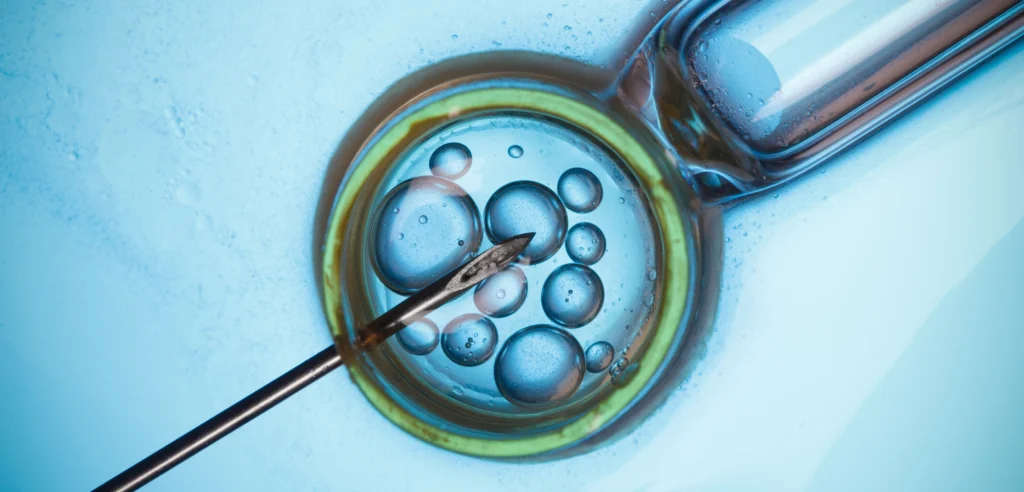
In some cases, a fertility specialist can retrieve sperm directly from the testicles using a minimally invasive needle aspiration or surgical sperm extraction procedure. Sperm retrieval may also be performed during a testicular biopsy. Even when only a small number of sperm are present, they may be used for advanced fertility treatments such as IVF with Intracytoplasmic Sperm Injection (ICSI).
Advancements in reproductive medicine have made it possible for many men with azoospermia to achieve biological fatherhood through personalized treatment plans and assisted reproductive technologies.
Conclusion
Azoospermia can be a challenging and emotional diagnosis for individuals and couples trying to conceive. However, with advances in medical science and fertility treatments, many cases can be effectively managed and treated.
Identifying the underlying cause of azoospermia is the first and most important step toward determining the most suitable treatment plan. Depending on the diagnosis, options may include medication, hormone therapy, surgical correction, sperm retrieval procedures, or assisted reproductive techniques such as IVF and ICSI.
Seeking timely medical advice, undergoing a comprehensive evaluation, and discussing available treatment options with a fertility specialist can significantly improve the chances of achieving a successful pregnancy. With the right guidance, support, and treatment, many men with azoospermia can still realize their dream of becoming biological fathers.